
Evidence-Based Strategies for Dealing with Seasonal Affective Disorder (SAD) in 2026
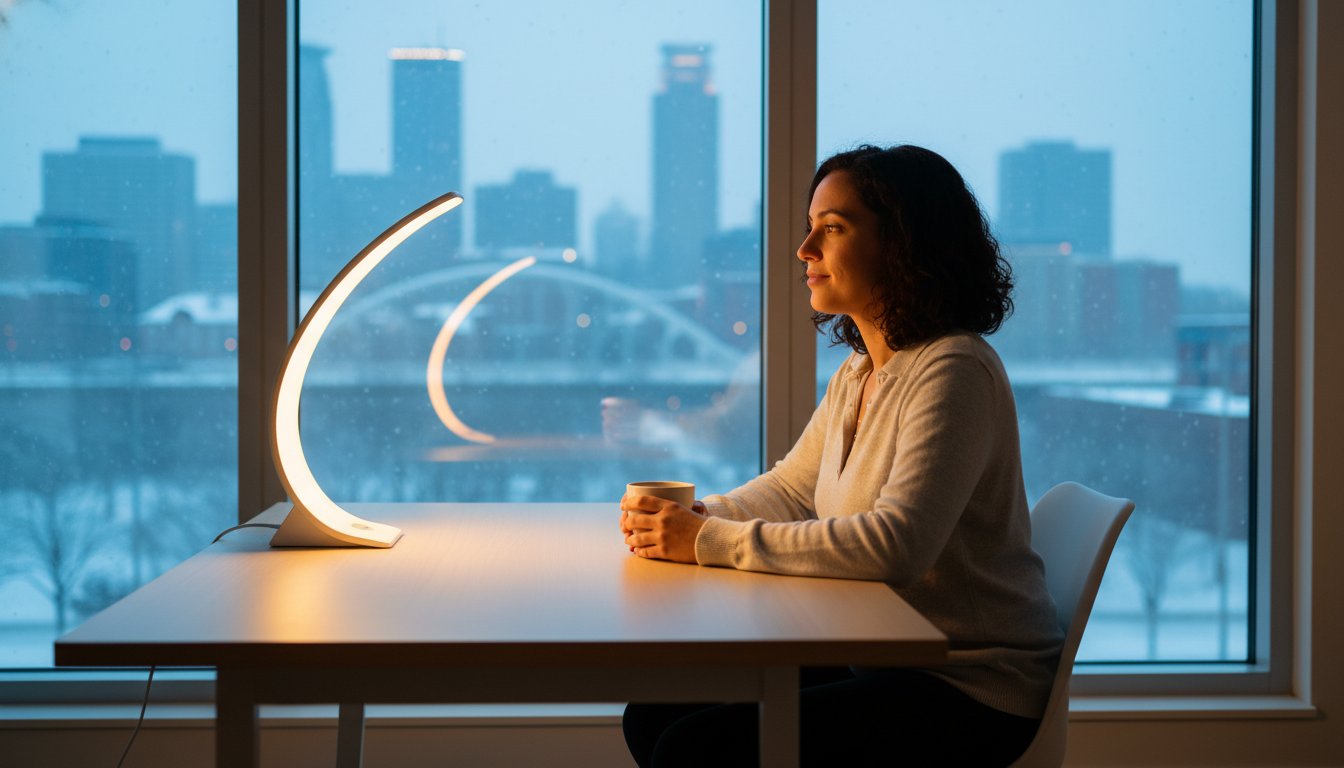
Did you know that for roughly 5% of adults in the United States, the change in seasons triggers a clinical shift in brain chemistry that can last for about 40% of the year? It's common to feel a sense of confusion when your usual productivity gives way to a heavy, persistent fatigue as the winter months approach. If you've found yourself withdrawing from social circles or struggling to maintain your professional rhythm, you aren't alone. Dealing with seasonal affective disorder is not a matter of waiting for spring; it's about understanding the biological mechanisms, such as serotonin regulation and melatonin production, that are currently out of balance.
I've developed this guide to provide you with the same clarity and clinical insight I offer my patients during a neuropsychological evaluation. We'll move past the "winter blues" label to establish a research-driven roadmap for your recovery. By examining the latest evidence-based strategies from 2026, you'll gain a personalized plan to stabilize your mood and reclaim your quality of life. We'll start by identifying your specific cognitive profile and then move through a step-by-step progression of light therapy, nutritional interventions, and cognitive behavioral adjustments.
Key Takeaways
- Gain a deeper understanding of the biological mechanisms behind seasonal depression, moving beyond the "winter blues" to address the specific circadian rhythm shifts defined in the DSM-5-TR.
- Explore the clinical gold standards for recovery, including how 10,000 lux light therapy and specialized CBT-SAD work to recalibrate your internal clock.
- Develop a proactive, research-driven roadmap for dealing with seasonal affective disorder that allows you to mitigate symptom severity before the winter months begin.
- Learn why a comprehensive psychological assessment is a critical step in achieving clinical clarity and ensuring your symptoms aren't masked by co-occurring conditions.
- Discover how to leverage interjurisdictional telehealth through PsyPact to access specialized, evidence-based support and professional guidance regardless of your location.
Understanding Seasonal Affective Disorder: More Than Just the Winter Blues
As the light begins to fade earlier in the evening, I often see patients who describe a heavy, inexplicable shift in their internal weather. It's common to hear these experiences dismissed as the "winter blues," but for many, the reality is far more clinical. In my practice, I focus on Understanding Seasonal Affective Disorder as a biological reality rather than a personal failing. According to the DSM-5-TR, Seasonal Affective Disorder (SAD) is classified as a recurrent Major Depressive Disorder that follows a specific seasonal pattern. It isn't a lack of willpower; it's a neurobiological response to diminished environmental light that affects your circadian rhythms and neurotransmitter levels.
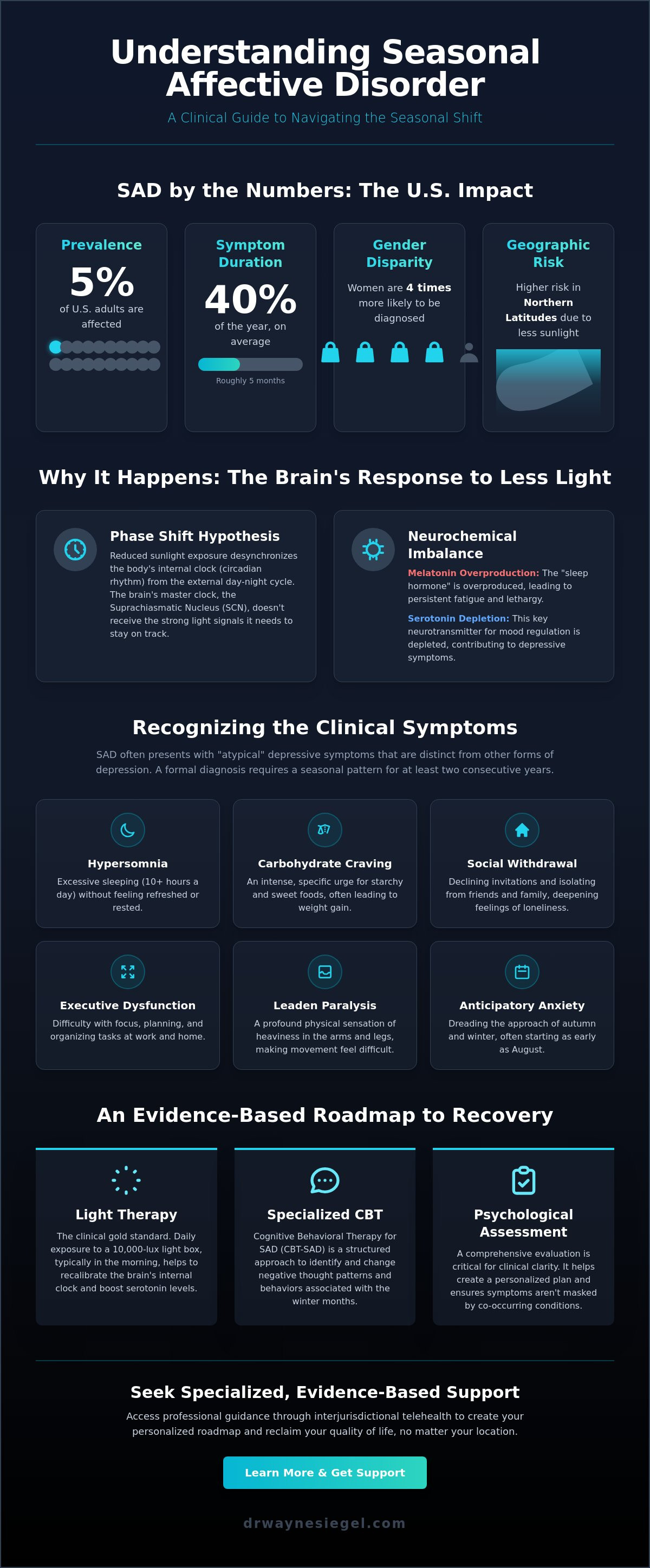
In 2026, data suggests that approximately 5% of the United States population experiences SAD, with symptoms typically lasting about 40% of the year. Those living in northern latitudes are at the highest risk. For example, individuals in states like Washington or Maine are significantly more likely to struggle than those in Florida. Women remain four times more likely to be diagnosed than men. When we talk about dealing with seasonal affective disorder, we aren't just discussing a temporary dip in mood. We're addressing a condition that requires a structured, evidence-based roadmap for management.
Clinical Symptoms and Diagnostic Criteria
A formal diagnosis of SAD requires a very specific history. To meet the criteria, a person must experience a pattern of seasonal onset and full remission for at least two consecutive years. Unlike standard depression, SAD often presents with "atypical" symptoms that can be quite physically taxing. These include:
- Hypersomnia: An excessive need for sleep, often totaling 10 or more hours per day without feeling rested.
- Carbohydrate Craving: A specific, intense urge for starches and sweets, frequently leading to seasonal weight gain.
- Executive Functioning Disruptions: Difficulty with planning, organizing, and maintaining the focus necessary for daily professional obligations.
These symptoms create a significant barrier to daily life. When your brain struggles to regulate serotonin and melatonin, your cognitive profile shifts. This makes it harder to meet interpersonal responsibilities or maintain your usual pace at work. It's a legitimate clinical impairment that deserves a professional neuropsychological perspective.
The Emotional Impact of Seasonal Shifts
Many people experience "anticipatory anxiety" as early as August or September, dreading the coming darkness. This anxiety often leads to social withdrawal. You might find yourself declining invitations or isolating at home, which only deepens feelings of worthlessness and loneliness. Research-based literature describes leaden paralysis as a profound sensation of heaviness in the arms and legs that makes even basic movement feel like an insurmountable physical task. This sensation is a hallmark of the disorder and illustrates why dealing with seasonal affective disorder requires more than just "trying harder." It requires a comprehensive clinical strategy to restore your quality of life and provide the clarity you need to move forward.
The Biological Mechanism: Why Rhythms Shift in the Winter
When I work with individuals dealing with seasonal affective disorder, we start by looking at the brain's internal clock. This isn't just a feeling of being "down"; it's a physiological response to the changing environment. The Phase Shift Hypothesis remains the leading explanation for these seasonal changes. It suggests that our internal circadian rhythms become desynchronized from the external world. When the sun rises later and sets earlier, the suprachiasmatic nucleus (SCN) fails to receive the high-intensity light signals required to anchor our biological processes. This results in a persistent internal lag that impacts everything from body temperature to hormone secretion.
The chemical impact is twofold. First, the brain often overproduces melatonin, which is why many people feel a heavy, persistent lethargy. Second, there is a marked depletion of serotonin. Clinical data shows that people with SAD have higher levels of serotonin transporter protein in the winter, which clears serotonin from the brain's pathways too quickly. This leaves less of the "mood molecule" available for use. While vitamin D deficiency is common, affecting nearly 42% of adults in the United States, evidence suggests it acts more as a contributing factor that lowers the threshold for depressive symptoms rather than being the sole cause of the shift.
From an evolutionary perspective, some researchers view these changes as a vestigial energy conservation mechanism. Much like hibernation, our ancestors may have benefited from reduced activity during periods of extreme cold and food scarcity. Today, however, our modern world demands high performance year-round, creating a conflict between our biology and our responsibilities.
Circadian Dysregulation and Sleep
This internal shift creates what researchers call "social jetlag." Your body's biological night extends into the morning hours, making it feel as though you're waking up in the middle of the night every day. Because the SCN isn't getting that early morning light "reset," your sleep-wake cycle drifts later. I find that standard sleep hygiene often fails for my patients because it doesn't address this fundamental timing error. Without correcting the light-dark signal, your brain remains stuck in a state of morning grogginess that can last for several hours.
Neurotransmitter Imbalance: Serotonin and Dopamine
The link between light and mood is mediated by retinal sensitivity. In many cases, the eyes of those Managing SAD Symptoms are less sensitive to light, requiring a higher "dose" of sun to trigger serotonin production. This chemical deficit often manifests as intense carbohydrate cravings. Your body is trying to use insulin to help tryptophan cross the blood-brain barrier, which is a precursor to serotonin. Understanding these biological drivers is the first step toward finding clarity on your cognitive profile and developing a roadmap for the months ahead.
Evidence-Based Treatment Modalities: Comparing Light Therapy, CBT, and ACT
I view the process of dealing with seasonal affective disorder as a journey toward regaining cognitive clarity. To move beyond the heavy fog of winter depression, we must address both the biological and psychological drivers of the condition. My approach focuses on creating a personalized roadmap that integrates physiological resets with the development of new mental skills. This ensures that the relief you feel isn't just a temporary shift, but a sustainable change in your cognitive profile.
The Nuances of Effective Light Therapy
Clinical phototherapy serves as the gold standard for resetting the biological clock. Clinical-grade light boxes deliver 10,000 lux, which is approximately 20 times the intensity of standard office lighting. I recommend 20 to 30 minutes of exposure within the first hour of waking to effectively suppress melatonin and stimulate serotonin production. Research from the University of British Columbia indicates that morning exposure is significantly more effective than evening sessions for most individuals. It's vital to distinguish these clinical tools from "wake-up lamps," which often provide only 300 to 500 lux and lack the therapeutic power to alter circadian rhythms. Before beginning, I screen for contraindications; individuals with a history of bipolar disorder or retinal disease should avoid high-intensity light due to the risk of inducing mania or ocular damage.
Psychotherapy: Building Long-Term Resilience
While light therapy addresses the immediate biological dip, specialized psychotherapy provides the tools for long-term stability. CBT-SAD is a protocol that targets "winter-negative" thinking and behavioral withdrawal. Instead of retreating, patients learn behavioral activation techniques to maintain engagement with their lives. Acceptance and Commitment Therapy (ACT) complements this by fostering psychological flexibility. ACT teaches you to accept the "unavoidable" aspects of winter, such as the cold and darkness, while staying committed to your core values. This prevents the emotional struggle against the season from turning into a deeper depressive episode.
The data supporting a combined approach is compelling. A 2016 study published in the American Journal of Psychiatry followed patients over two years. The results showed that while light therapy and CBT-SAD were equally effective in the first winter, the psychotherapy group had a much lower recurrence rate. Only 27.3 percent of CBT-SAD patients experienced a relapse two years later, compared to 45.6 percent of those who relied solely on light therapy. When dealing with seasonal affective disorder, I find that pairing the immediate physiological relief of 10,000 lux with the enduring skills of CBT or ACT offers the most reliable path to wellness.
Creating Your Winter Wellness Roadmap: Practical Steps for Management
I believe that the most effective way of dealing with seasonal affective disorder is to act before the first frost. A proactive "pre-season" plan can reduce symptom severity by as much as 40 percent based on clinical outcomes. This involves scheduling your light therapy and social engagements as early as September or October. By establishing these routines before the days shorten, you build a psychological safety net that catches you when energy levels naturally dip.
The Role of Professional Assessment
Self-diagnosis often misses the mark because symptoms of lethargy and low mood are not exclusive to the change in seasons. I have seen many cases where what appeared to be SAD was actually undiagnosed ADHD or a thyroid imbalance. A comprehensive psychological assessment acts as your diagnostic roadmap. It ensures we aren't treating a surface symptom while ignoring a deeper cognitive profile or a co-occurring condition. When you are choosing a clinic for psychology, look for board-certified experts who prioritize evidence over intuition. This level of precision is necessary to rule out anemia or chronic fatigue syndrome, which can mimic winter depression.
Daily Lifestyle Interventions
Behavioral activation is a cornerstone of the treatment plans I develop for my patients. You must maintain physical and social activity even when the "urge to hibernate" feels overwhelming. I recommend maximizing natural light by spending at least 20 minutes outdoors before 10:00 AM, even on overcast days. Consistency here is more important than the intensity of the activity. We also focus on reducing environmental friction to protect your limited energy.
- Environmental Structure: Prepare your meals and clothes the night before to save executive function for more critical tasks.
- Light Exposure: Place your 10,000 lux light box in a location where you naturally spend your first 30 minutes of the day.
- Dawn Simulation: Dawn simulation techniques, which involve a light that gradually brightens before your alarm goes off, serve as an effective supplement to traditional light box therapy.
Nutritional strategies and professional medication management are the final pieces of the roadmap. Maintaining adequate Vitamin D levels is essential; a 2023 study indicated that nearly 75 percent of individuals with seasonal depression were deficient in this nutrient. I always suggest a professional consultation to manage any potential medication, ensuring that any intervention is balanced with your unique biology. Behavioral activation helps when dealing with seasonal affective disorder by breaking the cycle of withdrawal that often leads to deeper depressive episodes.
If you're ready to gain clinical clarity on your symptoms, contact my office to schedule a diagnostic evaluation and begin your journey toward wellness.
Seeking Specialized Support Through PsyPact and Evidence-Based Care
When the days shorten and the light fades, dealing with seasonal affective disorder often feels like an uphill climb in the dark. I use evidence-based frameworks to help you find clarity during these seasonal shifts. We don't just aim to endure the winter months; we work to understand your unique cognitive profile and emotional landscape. This partnership moves you from a survival mindset into a space of growth and insight. By applying rigorous clinical standards, we can identify the specific triggers and physiological responses that characterize your experience.
SAD is a treatable condition. It's a biological and psychological response to environmental changes, not a personal failing. My approach focuses on providing you with a roadmap that leads to functional independence. We look at the "why" behind your challenges to build a sustainable strategy for well-being. You don't have to navigate this journey alone.
National Access via Telehealth
Access to specialized clinical care shouldn't depend on your zip code. In 2026, the PsyPact states network has expanded significantly, allowing for seamless continuity of care across state lines. This interjurisdictional agreement ensures that you can receive expert support even if you travel or relocate within participating states. Research consistently shows that evidence-based therapy conducted through secure, HIPAA-compliant video platforms is as effective as traditional in-office visits. I prioritize your safety and privacy by using encrypted technology that meets the highest clinical standards. You can verify if your state is part of this network by checking the current PsyPact legislative map, which now includes over 40 jurisdictions.
The Journey Toward Clinical Clarity
I view our therapeutic relationship as a collaborative effort to puzzle out the complex challenges you face. Dealing with seasonal affective disorder requires more than just a label; it requires a deep dive into how your executive functioning and mood interact during the winter. Our goal is to improve your daily quality of life through actionable meaning and precise intervention. We move beyond surface-level symptoms to create a clearer picture of your health. This process empowers you with the tools needed to regain control over your environment and internal state. If you're ready to move toward a more stable and insightful future, Contact Siegel Psychology Services to begin your journey toward a clearer picture of your health.
Moving Toward Lasting Winter Clarity
Navigating the shorter days of 2026 doesn't have to feel like an uphill climb against your own biology. We've explored how biological rhythm shifts impact your mood and why evidence-based interventions like light therapy and specialized CBT protocols offer more than just temporary relief. Dealing with seasonal affective disorder requires a structured approach that addresses both the physiological and psychological drivers of the condition. My practice focuses on these proven methods to help you regain your sense of stability and purpose.
With over 25 years of experience as a board-certified clinical psychologist, I use rigorous ACT and CBT frameworks to build a personalized strategy for your wellness. Through PsyPact, I provide these specialized telehealth services across all participating states; this ensures you have access to expert care from the comfort of your home. You deserve a clear path forward that moves beyond simple labels toward actionable change. I'm here to help you solve the unique puzzle of your cognitive and emotional health with precision and care.
Begin your roadmap to clarity with a professional consultation
You have the strength to reclaim your season, and I'm ready to guide you toward a brighter, more balanced future.
Frequently Asked Questions
Can seasonal affective disorder occur in the summer months?
Yes, seasonal affective disorder can occur in the summer, affecting approximately 10% of individuals diagnosed with the condition. While winter-onset SAD is linked to light deprivation, summer-onset symptoms often stem from excessive heat and high humidity levels. I often observe that patients with this variation report heightened agitation and decreased appetite, which differs from the lethargy typically seen in the winter months.
How many lux should a light therapy box have for SAD?
A light therapy box should provide 10,000 lux of cool-white fluorescent light to be effective for dealing with seasonal affective disorder. Research from the Mayo Clinic suggests this intensity is about 20 times brighter than standard indoor lighting. You should position the box about 16 to 24 inches from your face for 20 to 30 minutes each morning to achieve the most reliable results in your daily routine.
What is the difference between SAD and standard depression?
The primary difference is the temporal pattern of symptoms, as SAD is technically classified as Major Depressive Disorder with a Seasonal Pattern in the DSM-5. While standard depression can occur at any time, SAD symptoms consistently emerge and remit during specific seasons for at least two consecutive years. I look for these specific cycles during a neuropsychological assessment to provide you with a clear roadmap for your treatment journey.
Does health insurance typically cover psychological evaluations for SAD?
Most health insurance providers cover psychological evaluations for SAD when they're deemed medically necessary to guide a clinical treatment plan. Data from the Kaiser Family Foundation shows that 90% of large employer plans include these essential mental health services. I recommend contacting your provider to confirm your specific benefits for CPT code 96130, which covers the psychological testing and evaluation services I provide.
How long does it take for light therapy to start working?
Most people notice a shift in their mood and energy levels within 1 to 2 weeks of consistent daily light therapy use. A study published in the American Journal of Psychiatry found that some patients show improvement in as little as 4 days. If you don't see progress after 21 days of morning sessions, we may need to adjust the duration or timing of your light exposure to find the right balance.
Can children and teenagers experience seasonal affective disorder?
Children and teenagers can certainly experience seasonal affective disorder, with research indicating it affects roughly 3% of the pediatric population. Younger patients often present with irritability or academic struggles rather than the persistent sadness adults describe. I focus on identifying these behavioral shifts early so we can implement supportive strategies before the school year is negatively impacted by these cognitive challenges.
Is vitamin D supplementation enough to treat SAD on its own?
Vitamin D supplementation is generally not sufficient to treat SAD as a standalone intervention for most patients. While a 2014 meta-analysis showed that low vitamin D levels correlate with depression, clinical guidelines suggest it works best when paired with light therapy or cognitive behavioral therapy. I view it as one piece of a larger puzzle in your journey toward wellness rather than a single solution for dealing with seasonal affective disorder.
What should I do if light therapy causes headaches or eye strain?
If you experience headaches or eye strain, you should reduce your session time or move the light box further away from your eyes. These side effects occur in about 5% to 10% of users and often disappear after the first week of consistent use. I suggest starting with 10-minute sessions and gradually increasing the duration to allow your system to adapt to the light intensity without discomfort.