
Signs of Generalized Anxiety Disorder: A Research-Based Guide to Recognition

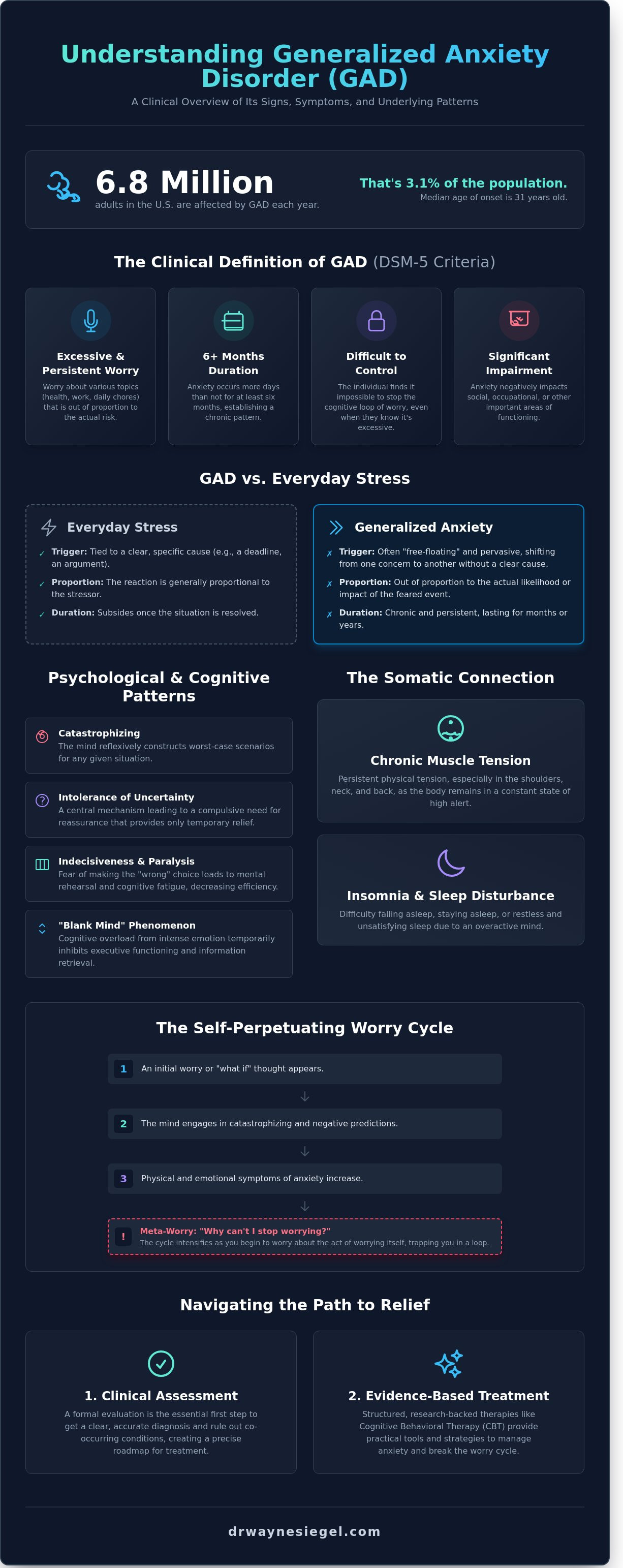
What if the chronic tension in your shoulders and the persistent "what if" loops in your mind aren't just personality traits, but measurable biological responses? You've likely felt the deep frustration of being told to "just relax," even as your body remains in a state of high alert. It's an exhausting way to live. When these intrusive thoughts persist for more than six months, it's often a sign that your nervous system is struggling to regulate itself. Understanding the clinical signs of generalized anxiety disorder is essential, especially since the ADAA reports that this condition affects 6.8 million adults in the U.S. alone.
I want to offer you a sense of steady ground. In this guide, you'll learn to identify these markers through a rigorous, research-based lens. We'll move past vague descriptions to look at the specific psychological and physical indicators defined by the American Psychiatric Association. By the end of this article, you'll have a clear roadmap to help you decide when professional intervention is the right next step for your long-term health. Together, we can find the clarity you need to move forward with confidence.
Key Takeaways
- Understand the specific DSM-5 criteria that distinguish situational stress from persistent GAD, focusing on the clinical requirement of a six-month symptom window.
- Learn to identify the core psychological signs of generalized anxiety disorder, including cognitive patterns like catastrophizing and the presence of "free-floating" worry.
- Discover the somatic connection between long-term anxiety and the body, particularly how chronic muscle tension and insomnia serve as vital clinical indicators.
- Gain clarity on the "worry cycle" to understand why anxiety persists and how the concept of meta-worry can trap individuals in a self-perpetuating loop of distress.
- Explore the path toward a formal clinical assessment and how evidence-based treatments like Cognitive Behavioral Therapy (CBT) provide a structured roadmap for relief.
Defining Generalized Anxiety Disorder: When Worry Becomes Persistent
I often meet with individuals who feel as though they're constantly waiting for the "other shoe to drop." This state of perpetual apprehension isn't just a personality trait; it's a specific clinical condition. According to the Diagnostic and Statistical Manual of Mental Disorders (DSM-5), Generalized anxiety disorder is defined by excessive, persistent worry about various topics, events, or activities. This isn't a fleeting feeling. To meet the diagnostic criteria, this worry must be present for at least six months, creating a consistent backdrop of tension in a person's life.
The National Institute of Mental Health (NIMH) reports that GAD affects approximately 3.1% of the U.S. population, which translates to roughly 6.8 million adults in any given year. While it can develop at any age, the median age of onset is 31, often appearing during the transitions of early adulthood. The primary clinical marker I look for is the "uncontrollable" nature of the worry. It's a cognitive loop that feels impossible to break, even when the individual recognizes their anxiety is excessive.
Normal Stress vs. Clinical Anxiety
I help my patients distinguish between a proportional reaction to a stressor and a chronic condition. Stress is usually tied to a clear cause, like a looming deadline or a health concern. Clinical anxiety is different; it's out of proportion to the actual likelihood or impact of the feared event. When these feelings begin to impair your social life or vocational performance, they become significant signs of generalized anxiety disorder. Because GAD frequently co-occurs with other mood disorders, I recommend a psychological assessment near me to ensure we're looking at the full clinical picture rather than just an isolated symptom.
The Persistence Factor
Diagnostic accuracy relies heavily on the duration of symptoms. The DSM-5 requires that excessive worry occurs "more days than not" for at least six months. This timeframe is essential for clinical clarity. It helps us differentiate between a temporary period of high stress and a long-term neurological pattern. GAD symptoms don't always maintain the same level of severity. They fluctuate in intensity, sometimes receding during quiet periods and surging during life transitions. Without intervention, this cycle can persist for decades. Identifying the signs of generalized anxiety disorder early allows us to build a roadmap toward stability and improved quality of life.
Recognizing the Core Psychological Signs and Cognitive Patterns
Identifying the primary signs of generalized anxiety disorder often begins with recognizing "free-floating" anxiety. Unlike a phobia tied to a specific object, this anxiety is diffuse and pervasive, shifting from health and finances to minor daily chores without a clear external trigger. I find that patients often describe this as a persistent sense of dread, or "waiting for the other shoe to drop." This state is driven by cognitive patterns like catastrophizing, where the mind reflexively constructs worst-case scenarios for every situation. Research into GAD symptoms and causes suggests that an intolerance of uncertainty is a central mechanism. This leads to a compulsive need for reassurance that provides only temporary relief before the cycle of worry restarts.
In some instances, the cognitive load becomes so intense that it triggers a "blank mind" phenomenon. This happens when the brain's emotional centers overwhelm the prefrontal cortex, effectively inhibiting executive functioning. It's not a lack of intelligence; it's a temporary shutdown of the brain's ability to process and retrieve information under duress. This can make even the most routine tasks feel insurmountable.
The Burden of Indecisiveness
For those living with GAD, decision-making is rarely a straightforward process. The fear of making a "wrong" choice leads to a state of paralysis, where the individual spends hours mentally rehearsing every possible outcome. This constant rehearsal causes profound cognitive fatigue. Clinical observations suggest that this indecision can decrease workplace efficiency by as much as 30%, as the individual struggles to prioritize tasks. In personal relationships, this pattern often creates tension, as partners may feel frustrated by the constant need for consensus or the inability to make simple plans.
Difficulty Concentrating and Irritability
The brain’s internal "alarm system" is designed to prioritize threats, but in GAD, this system stays stuck in the "on" position. This hyper-arousal makes it difficult to maintain focus on task-oriented work because the mind is constantly scanning for potential problems. Chronic anxiety frequently manifests as a "short fuse" or persistent irritability. When your nervous system is perpetually overtaxed, your threshold for stress drops significantly. This cognitive preoccupation also impacts memory, as the brain lacks the resources to properly encode and process new information. If these patterns feel familiar, seeking clarity through a neuropsychological assessment can help you understand your unique cognitive profile and find a path toward stability.
The Somatic Connection: Physical Symptoms of Chronic Anxiety
I often find that patients are surprised when we begin discussing their physical health during a neuropsychological consultation. They expect to talk about their thoughts, yet they're frequently struggling with unexplained muscle aches or digestive distress. This is because anxiety isn't just a mental state; it's a systemic physiological event. The brain's "alarm" system remains stuck in the 'on' position, which forces the body to maintain a state of high alert that eventually takes a toll on every major system. Research from the National Institute of Mental Health highlights several signs and symptoms of generalized anxiety disorder that specifically manifest physically, often serving as the first red flags that a person notices.
The autonomic nervous system governs our involuntary functions like heart rate and perspiration. When you're living with GAD, this system is frequently overstimulated. This leads to visible signs of generalized anxiety disorder such as trembling, twitching, or excessive sweating even in cool environments. Clinical data suggests that up to 50% of patients with Irritable Bowel Syndrome (IBS) also meet the diagnostic criteria for an anxiety disorder, illustrating the profound link between the gut and the brain. Chronic nausea or frequent "butterflies" aren't just nerves; they're evidence of the body's stress response affecting the gastrointestinal tract.
Muscle Tension and Physical Fatigue
One of the most telling physical markers I observe is the "bracing" reflex. This is a state where the body stays in constant readiness for a perceived threat. Patients typically carry this tension in their jaw, neck, and shoulders, which often leads to tension headaches or TMJ issues. Because the muscles never truly relax, the body consumes an enormous amount of energy. This explains why individuals with GAD often feel exhausted even after eight hours of sleep. Their bodies have been "working" all night. Studies show that between 60% and 90% of people with GAD experience significant sleep disturbances, including chronic insomnia or restless, non-refreshing sleep.
The Role of the Startle Response
An overactive nervous system creates a state of hyper-vigilance. You might notice that you're easily startled by a ringing phone or a door closing; this is a heightened startle response. It indicates that your nervous system is primed for "fight or flight" at all times. This sensitivity is more than just being "jumpy." It's the result of chronic cortisol elevation. When cortisol remains high for extended periods, it doesn't just cause anxiety; it can lead to long-term health complications like hypertension or a weakened immune response. I view this heightened sensitivity as a roadmap, helping us understand how deeply the anxiety has integrated into your physical well-being.
Why GAD Persists: Understanding the "Worry Cycle" and Misconceptions
Many patients I see in my practice initially view their chronic worry as a necessary tool for survival. They believe that if they stop worrying, they'll be caught off guard by a catastrophe. This cognitive trap is one of the most subtle signs of generalized anxiety disorder. Research indicates that this "productive worry" is actually a form of cognitive avoidance. By focusing on hypothetical future threats, the brain avoids the immediate, visceral experience of distress. It's a mental loop that feels like work but produces no results.
The Illusion of Productive Worry
The belief that worrying is a responsible way to handle life is a significant barrier to recovery. A 1994 study by Borkovec found that individuals with chronic anxiety often hold "positive beliefs about worry," such as the idea that it helps with problem-solving. However, data shows that high-level worry actually impairs effective decision-making by overloading executive functioning. Breaking this cycle requires more than just willpower; it necessitates a research-based therapeutic approach. I've found that ptsd counseling techniques can be highly effective here. These methods help manage the chronic hyper-arousal that often accompanies GAD, allowing the nervous system to return to a state of baseline safety.
Emotional Avoidance and GAD
Worry serves as a mental distraction from deeper emotional pain. Instead of feeling the raw sting of a past trauma or a current disappointment, the mind stays busy with "what-if" scenarios. This creates a phenomenon known as "meta-worry," which is essentially worrying about the fact that you're worrying. You might think, "This stress is going to give me a heart attack," which only adds another layer of panic. Recovery depends on moving from this avoidance toward acceptance. Identifying these internal patterns is the first step toward clinical clarity. We also look for "safety behaviors," such as over-checking emails or constant reassurance seeking. While these actions provide a temporary 5% drop in anxiety, they prevent long-term recovery by reinforcing the idea that the threat is real. My goal is to help you recognize these signs of generalized anxiety disorder so we can map out a path toward genuine relief.
Navigating the Path Forward: Assessment and Evidence-Based Solutions
Recognizing the signs of generalized anxiety disorder is a vital first step, but it's only the beginning of your journey toward wellness. Many symptoms of chronic worry overlap with other conditions, such as ADHD or thyroid dysfunction. I believe a formal diagnosis is essential because it provides the clarity needed to distinguish GAD from these other possibilities. This process moves us away from guesswork and toward a focused, scientific understanding of your experience.
The Value of a Comprehensive Psychological Evaluation
I view a comprehensive psychological evaluation as a roadmap rather than a simple label. While a diagnosis tells us what you're experiencing, a full assessment explains the "why" behind those challenges. By examining your unique cognitive profile, we can identify specific strengths and vulnerabilities in areas like executive functioning and processing speed. I always encourage patients to seek a board-certified professional for this process. This level of diagnostic precision ensures that we aren't just treating symptoms, but addressing the root causes of your distress.
Person-Centered, Evidence-Based Recovery
Modern psychotherapy is a collaborative partnership built on rigorous research. Cognitive Behavioral Therapy (CBT) is currently the gold standard for treating GAD. Clinical trials consistently demonstrate that CBT helps individuals restructure the maladaptive thought patterns that fuel persistent anxiety. I also find great value in Acceptance and Commitment Therapy (ACT). This approach focuses on building psychological flexibility, allowing you to live a meaningful life even when difficult emotions arise. Our goal is always to improve your daily quality of life, ensuring you can show up fully for your work, family, and self.
High-quality care is now more accessible than ever before. You don't have to be limited by your local geography to find a specialist who understands the signs of generalized anxiety disorder. Through national telehealth options and my ability to practice in psypact states, I provide consistent, evidence-based support to patients across state lines. This interjurisdictional framework ensures that your care remains stable and uninterrupted, regardless of where you're located.
Scheduling a consultation is the most effective way to gain the insight you've been seeking. If you're tired of the cycle of worry, let's work together to find a path forward. I am here to guide you through the assessment process with the care, precision, and empathy you deserve. Reach out today to begin your transition from uncertainty to clarity.
Taking the Next Step Toward Lasting Clarity
Identifying the signs of generalized anxiety disorder marks the transition from feeling overwhelmed to taking informed action. This research-based overview highlights how persistent worry creates a cycle that affects both your cognitive focus and your physical well-being. As a board-certified clinical psychologist with over 25 years of experience, I specialize in moving beyond labels to understand your unique cognitive profile. My approach relies on evidence-based methodologies, specifically Cognitive Behavioral Therapy and Acceptance and Commitment Therapy, to provide you with a practical roadmap for improvement. I provide telehealth services across all PsyPact states, making it easier to access specialized care from your own environment. We'll focus on your whole person, ensuring that every insight we gain translates into measurable improvements in your daily quality of life.
Gain clinical clarity and start your journey toward relief with a professional consultation.
It's possible to break the worry cycle. I'm here to help you find the steady ground you deserve.
Frequently Asked Questions
Is it normal to worry all the time?
It's not normal to experience persistent worry that interferes with your daily life. While most adults experience occasional stress, the DSM-5 states that worrying more days than not for at least 6 months is a clinical indicator of GAD. Research published in the Journal of Affective Disorders indicates that about 3.1% of the U.S. population experiences this level of chronic anxiety annually. I help patients distinguish between healthy problem-solving and the unproductive rumination that characterizes this condition.
Can generalized anxiety disorder cause physical pain?
Yes, GAD frequently manifests as physical pain, most commonly through muscle tension, headaches, or gastrointestinal distress. A 2018 study in the Annals of Family Medicine found that 45% of patients with anxiety also reported chronic physical symptoms. These physical signs of generalized anxiety disorder occur because the body stays in a state of high arousal. This chronic stress response leads to cortisol spikes and persistent muscle bracing that results in actual physical discomfort.
What is the difference between GAD and a panic attack?
The primary difference lies in the duration and intensity of the symptoms. GAD involves a persistent, low-grade state of free-floating anxiety that lasts for months. In contrast, a panic attack is a discrete episode of intense fear that typically peaks within 10 minutes. While GAD is a marathon of worry, a panic attack is a short sprint of terror. Data from the APA shows that panic attacks involve sudden heart palpitations, whereas GAD is defined by long-term apprehension.
How do I know if my anxiety is "excessive" enough for a diagnosis?
Anxiety is considered excessive when you find it difficult to control the worry and it causes clinically significant distress in social or occupational areas. Clinical guidelines require that the anxiety is out of proportion to the actual likelihood or impact of the anticipated event. If you spend more than 50% of your waking hours worrying about various topics, it meets the threshold for an evaluation. I use standardized tools like the GAD-7 scale to measure this intensity objectively.
Can children have generalized anxiety disorder?
Children can certainly develop GAD, and it often presents as a need for constant reassurance or perfectionism. According to the CDC, approximately 9.4% of children aged 3 to 17 were diagnosed with anxiety between 2016 and 2019. In younger patients, the signs of generalized anxiety disorder might include stomachaches or refusal to attend school. I work with families to identify these early markers so we can provide a roadmap for healthy emotional development and improved quality of life.
Does GAD go away on its own without treatment?
GAD is typically a chronic condition that doesn't resolve without professional intervention. Longitudinal studies show that without treatment, the spontaneous remission rate is low, often staying below 20% over a 12-year period. It's much more common for symptoms to wax and wane in response to life stressors. Seeking help early allows us to develop a cognitive profile and implement strategies that prevent the anxiety from becoming a lifelong burden. We focus on finding the "why" behind your challenges.
What is the most effective therapy for GAD in 2026?
Cognitive Behavioral Therapy (CBT) remains the gold standard for treating GAD in 2026, often enhanced by digital health integrations. Recent meta-analyses confirm that CBT produces a large effect size, with roughly 60% of patients achieving significant symptom reduction. I also incorporate Acceptance and Commitment Therapy (ACT) to help patients build psychological flexibility. These evidence-based practices provide a clear structure for reclaiming your life from the cycle of persistent, intrusive thoughts. This approach ensures the science is rigorous and the care is personal.
Is GAD a permanent condition or can it be managed?
GAD is a highly manageable condition, and many patients achieve long-term stability with the right tools. It isn't a permanent state of brokenness; it's a specific cognitive pattern that we can reshape together. Research indicates that 77% of patients show significant improvement when using a combination of therapy and lifestyle adjustments. My goal is to provide you with clarity and a personalized roadmap so that anxiety becomes a small part of your story instead of the headline.